How big is a pint compared to a cup?

Ava Richardson
Updated on April 28, 2026
How big is a pint compared to a cup?
What is 32 cups in pints? 32 cups to pts conversion. A U.S. cup is a unit of volume equal to 1/16th of a U.S. gallon, or about 236 milliliters. A U.S. pint is equal to 16 U.S. fluid ounces, or 1/8 th of a gallon.
Which is better 16pt or 14pt card stock?
The higher the quality you choose for your cards, the more respected the recipient will feel. Although you are investing a bit more in the thicker 16pt stock, you’re more likely to have a higher ROI (return-on-investment) because you’ll make lasting connections when you let the quality of your cards speak for themselves.
When to hand over a 16 pt card?
When you hand over a thick card, it gives off the air that you have more experience at the executive level, establishing a certain trust in potential clients and partnerships. Consider cards of the 16 pt stature when you have high-level business meetings to attend or are traveling to meet for business overseas.
What is 32 cups in pints? 32 cups to pts conversion. A U.S. cup is a unit of volume equal to 1/16th of a U.S. gallon, or about 236 milliliters. A U.S. pint is equal to 16 U.S. fluid ounces, or 1/8 th of a gallon.
How big is 16 tablespoons in a cup?
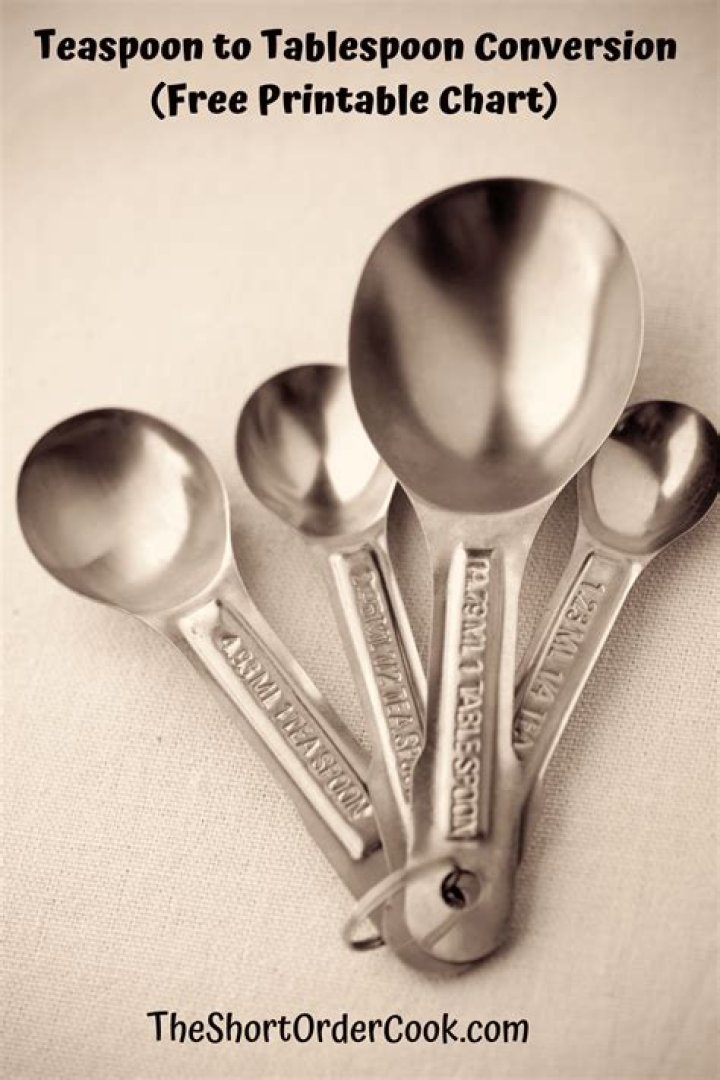
How big is 16 tablespoons? What is 16 tablespoons in cups? 16 tbsp to cups conversion. A U.S. tablespoon is a unit of volume equal to 1/16 th of a U.S. cup. There are 3 teaspoons in a tablespoon. A U.S. cup is a unit of volume equal to 1/16th of a U.S. gallon, or about 236 milliliters.
How big is a cup compared to a gallon?
A U.S. cup is a unit of volume equal to 1/16th of a U.S. gallon, or about 236 milliliters.
What’s the difference between 14pt and 16pt business cards?
14pt and 16pt are the most common thicknesses for business cards. Visually, there isn’t much of a difference between the two. 14pt cardstock and 16pt cardstock look very similar side-by-side, but when multiple are stacked together, the difference becomes more apparent: